


January 22, 2015
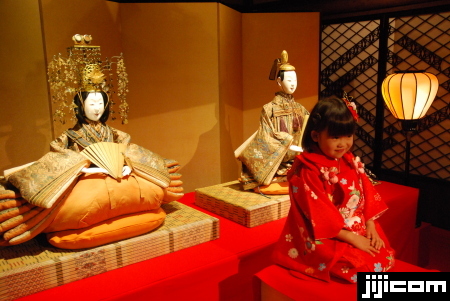
Couple of 'Kyohobina' Dolls as Large as 4-Year-Old Girl Model(Jiji Press)
The 80-centimeter-tall hina dolls from Kurashiki, Okayama Prefecture, were given to local salt magnate Buzaemon Nozaki's family by the former Okayama lord in the early Meiji era
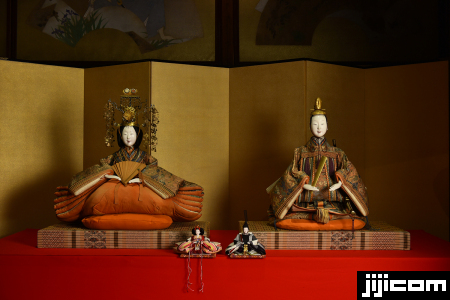
Tiny to giant antique 'hina' dolls went on display along with some 500 other dolls at Meguro Gajoen's Hyakudan Kaidan exhibition hall in Tokyo's Meguro Ward to celebrate the March 3 'Hinamatsuri' festival for girls. This year's exhibition, the sixth of its kind, focused on dolls from the three western Japan prefectures facing the Seto Inland Sea: Hyogo, Okayama and Hiroshima. Most of hina doll sets comprise the emperors, empresses, attendants and musicians in Heian period attire.
January 22, 2015
'Kyohobina' Dolls Shows Stark Contrast in Size with Ordinary Hina Dolls
January 22, 2015
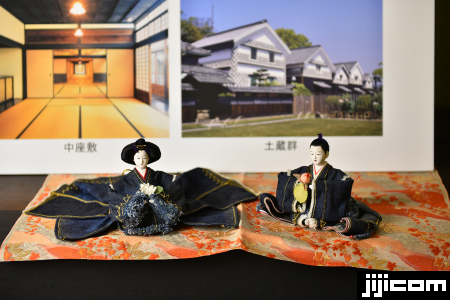
Hina Dolls in Denim Costumes Come from Kurashiki's Kojima District, Home of Japanese-Made Jeans
January 22, 2015
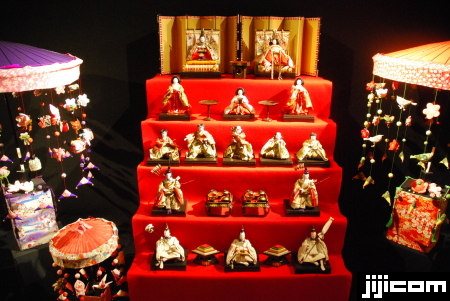
Set of Hina Dolls Made to Order of Department Store Takashimaya in Early Showa Era
January 22, 2015
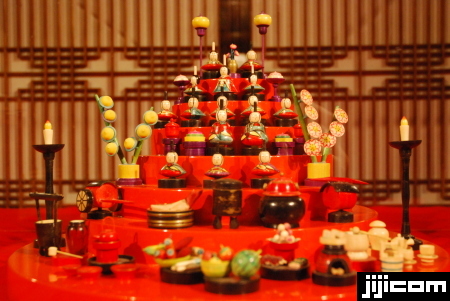
'Edogoma' Hina Dolls Exhibited by Keiko Inoue, Doll Collector in Fukuyama, Hiroshima Prefecture(Jiji Press)
Not only the dolls but flowers, lanterns and other miniature furnishing goods are spinning tops made by craftsman Masaaki Hiroi with the technique in the Edo period
January 22, 2015
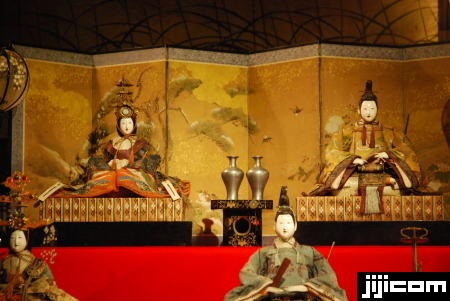
Eastern Japan-Style Hina Dolls Reflecting Merchant Culture in Edo, Former Tokyo, Exhibited by Japan Toy Museum in Himeji, Hyogo Prefecture
January 22, 2015
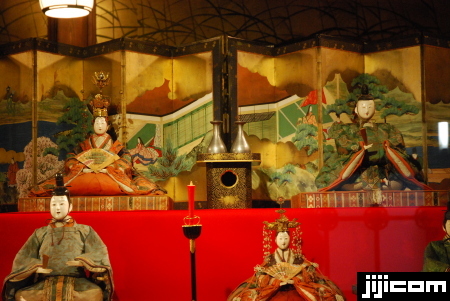
Western Japan-Style Hina Dolls Influenced by Old Imperial Court Fashion in Kyoto, Exhibited by Japan Toy Museum
January 22, 2015
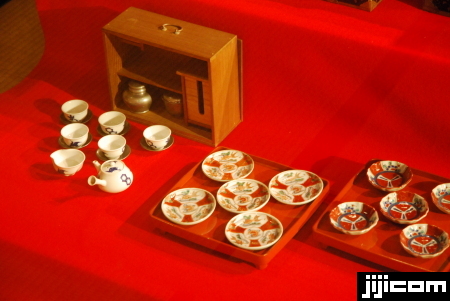
Fine Hina Doll Furniture from Japan Toy Museum
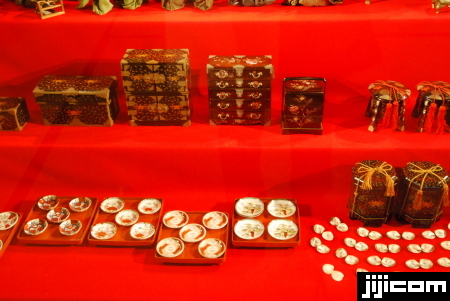
January 22, 2015
Elaborately Made Hina Furniture, Other Goods Included in Set from Japan Toy Museum
January 22, 2015
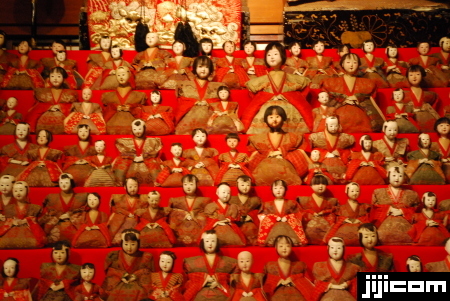
Dozens of 'Kamishimobina' Dolls from Keiko Inoue Collection(Jiji Press)
Kamishimobina dolls are all boys in formal samurai attire called 'kamishimo' and had been given till the start of World War II in Saitama and Gunma Prefectures, north of Tokyo, to couples that had baby girls by their relatives wishing for the girls' happy marriages
January 22, 2015
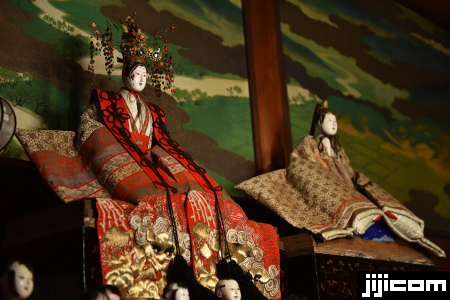
Couple of 'Nagasodebina' (Long Sleeves Hina) Dolls(Courtesy of Meguro Gajyoen)
The empress doll has unusually long sleeves that reach the floor. Nagasodebina dolls are unique to the Setouchi region and often called 'Miepparibina' (show-off hina dolls), as gorgeous embroidery work is concentrate on the front side
January 22, 2015
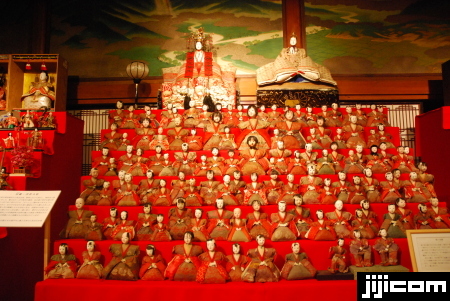
Couple of Miepparibina Dolls (Top) with Kamishimobina Dolls
January 22, 2015
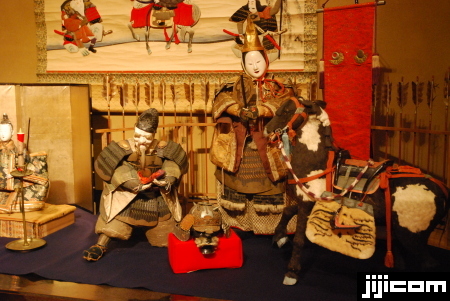
Armored Empress Jingu (Right), Servant Takenouchi no Sukune from Keiko Inoue Collection
January 22, 2015
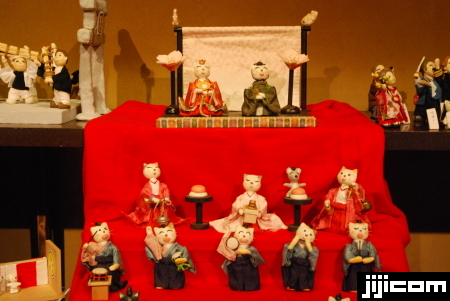
Cat Hina Dolls from Keiko Inoue Collection
January 22, 2015
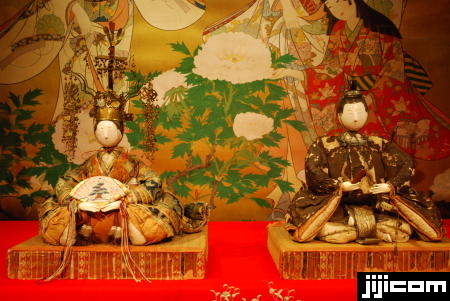
'Jirozaemonbina' Doll Couple Made by Master Hinaya Jirozaemon in Edo Period in Kyoto, Collected by Keiko Inoue(Jiji Press)
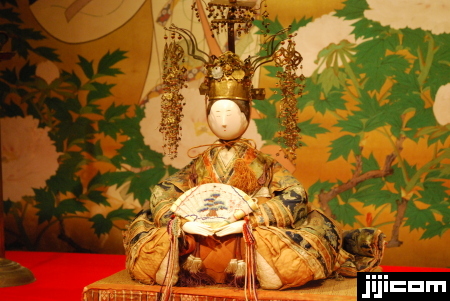
With their round faces, squinted eyes and hawk noses, Jirozaemonbina dolls, the only hina dolls called by the craftsman's name, were made to meet the taste of Kyoto people but enjoyed explosive popularity also in Edo
January 22, 2015
Jirozaemonbina Empress
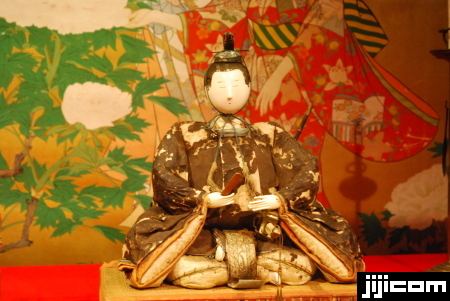
January 22, 2015
Jirozaemonbina Emperor
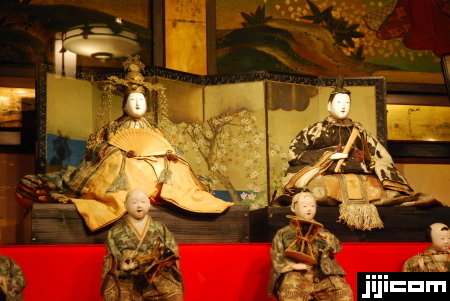
January 22, 2015
'Kokinbina' Dolls from Keiko Inoue Collection
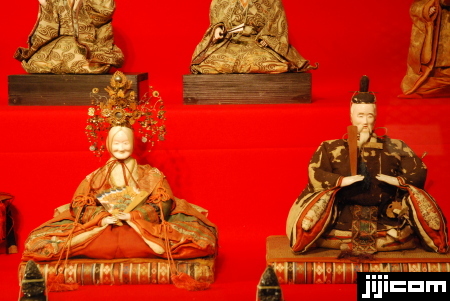
January 22, 2015
'Momotosebina' (100-Year-Old Hina) Dolls from Keiko Inoue Collection(Jiji Press)
The old couple's dolls embody a wish for a long life
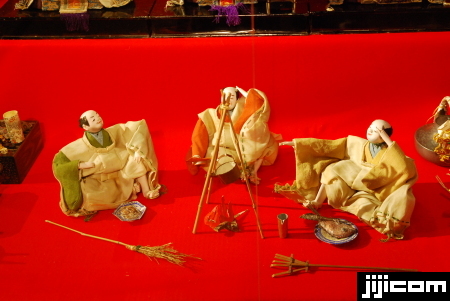
January 22, 2015
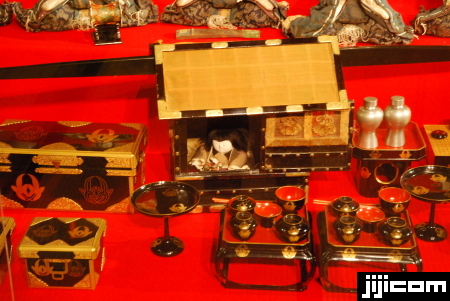
Doll Servants at Height of Feast, Exhibited by Keiko Inoue
January 22, 2015
'Goshobina' (Court Hina) Doll in Palanquin Collected by Keiko Inoue
January 22, 2015
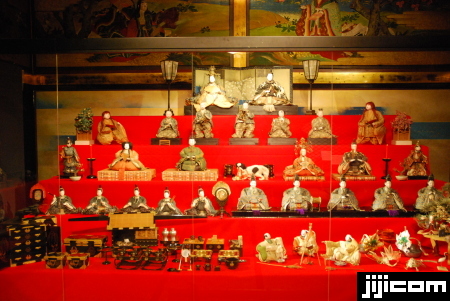
Hina Dolls from Keiko Inoue Collection
January 22, 2015
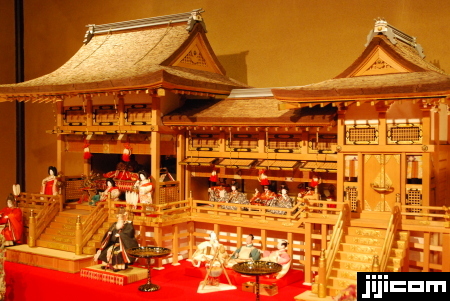
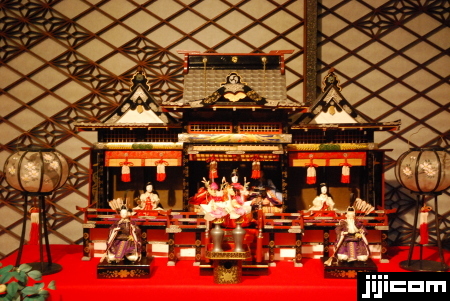
'Hiwadabuki Goten Kazaribina' Doll Set Features Gorgeous Palace with Cypress Bark Roof, Put on Displayed by Japan Toy Museum(Jiji Press)
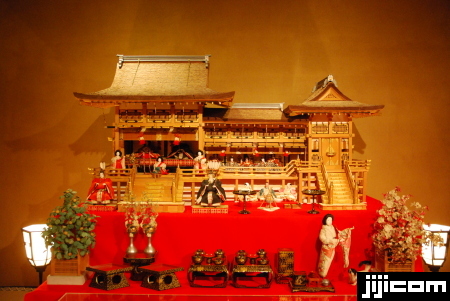
The Hiwadabuki Goten Kazaribina set was made by famed Kyoto craftsman Oki Heizo, the founder of the Maruhei hina doll shop, in the Taisho era. It is said that the set was as expensive as a real small house at the time
January 22, 2015
Full View of Hiwadabuki Goten Kazaribina form Japan Toy Museum
January 22, 2015
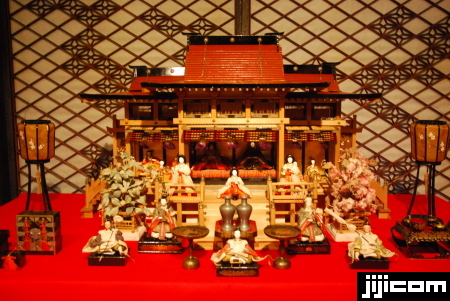
'Kawarabuki Goten Kazaribina' Doll Set from Japan Toy Museum(Jiji Press)
Palaces in some goten kazaribina sets made in central Japan in the early Showa era have tiled roofs, unlike goten kazaribina sets produced in western Japan
January 22, 2015
'Itabuki Goten' (Shingle-Roofed Palace), Excluding Dolls, Made by Maruhei, Collected by Japan Toy Museum
January 22, 2015
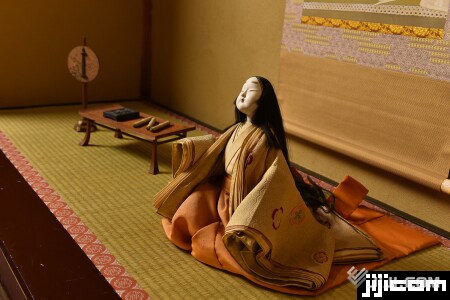
'Murasaki Shikibu' Doll(Courtesy of Meguro Gajoen)
Murasaki Shikibu is the author of 'The Tail of Genji', one of the most famous classic Japanese stories, written in the 11th century
January 22, 2015
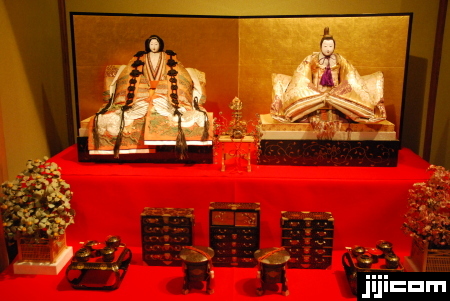
Miepparibina Dolls
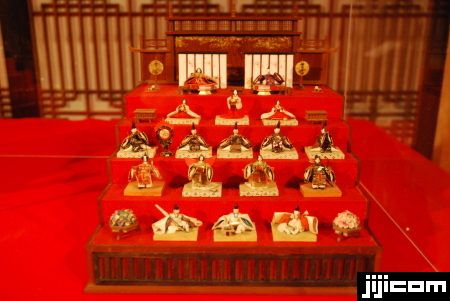
January 22, 2015
'Gokushobina' (Extremely Small Hina) Dolls from Keiko Inoue Collection
January 22, 2015
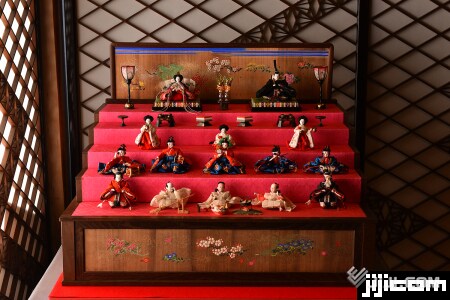
'Nisunbina' Dolls Owned by Tatsuuma-Honke, Sake Brewer in Nishinomiya, Hyogo Prefecture(Courtesy of Meguro Gajoen)
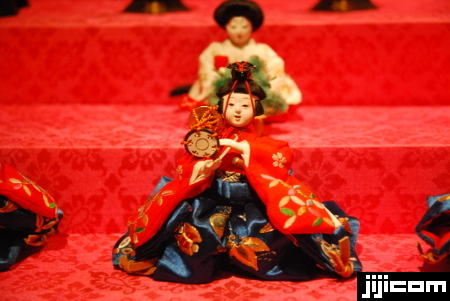
Nisunbina literally means '2-inch-tall hina' and the dolls were made in the early Showa era by top Kyoto craftsman Oki Heizo V. They are the smallest Maruhei hina dolls having eyeballs
January 22, 2015
Nisunbina Doll
January 22, 2015
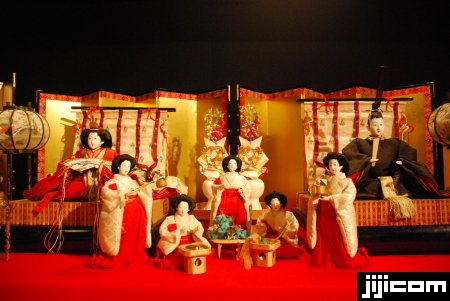
Emperor, Empress with Court Ladies, Exhibited by Keiko Inoue
January 22, 2015
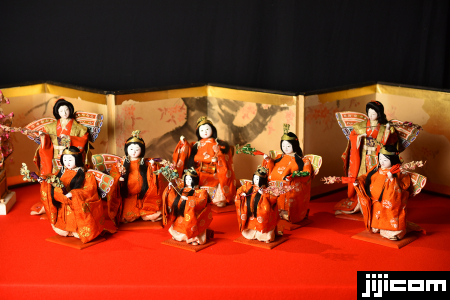
'Kocho-No-Mai' (Butterfly Dance) Performers
January 22, 2015
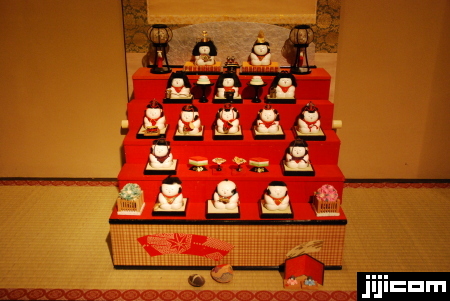
Goshobina Dolls from Keiko Inoue Collection
January 22, 2015
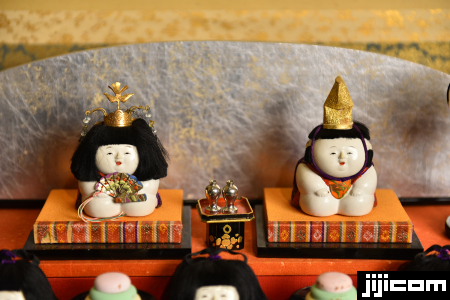
Goshobina Emperor, Empress from Keiko Inoue Collection
