


January 21, 2016
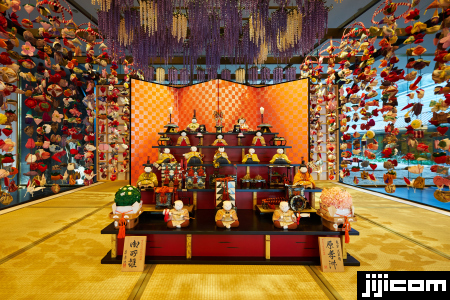
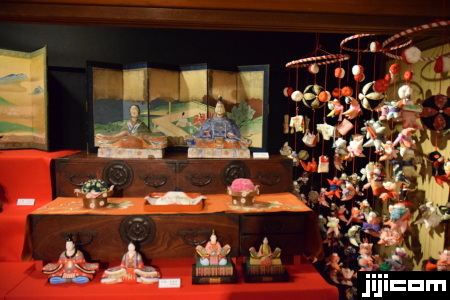
Antique Hina Dolls, Hanging Doll Ornaments at Entrance of 'Hyakudan Hinamatsuri' Exhibition(Courtesy of Meguro Gajoen)
An annual exhibition of antique 'hina' dolls started at the "Hyakudan Kaidan" exhibition hall in Tokyo, bringing together some 500 dolls and 170 doll ornaments from Iwate, Miyagi and Fukushima, the three Tohoku prefectures hit hardest by the mammoth earthquake and tsunami on March 11, 2011, including some dolls recovered after being washed away by the tsunami.The seventh 'Hyakudan Hinamatsuri' exhibition runs through March 6 at the tangible cultural property designated by the Tokyo metropolitan government in wedding complex Meguro Gajoen. Hina dolls are traditionally displayed for the 'Hinamatsuri' festival on March 3 to wish for the well-being of girls. Most dolls represent the Emperor and the Empress, as well as palace attendants and musicians in the Heian period.
January 21, 2016
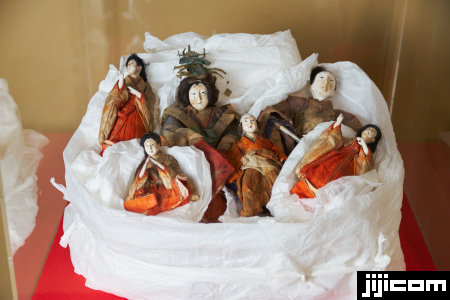
Six Hina Dolls Miraculously Recovered after Being Washed Away by March 2011 Tsunami in Otsuchi, Iwate Prefecture(Courtesy of Meguro Gajoen)
Six tsunami-hit dolls were found in mud and debris some one month after the disaster. The dolls, owned by Seiko Matsuzaki, who passed away last year, were made in the Taisho era (1912-1926).
January 21, 2016
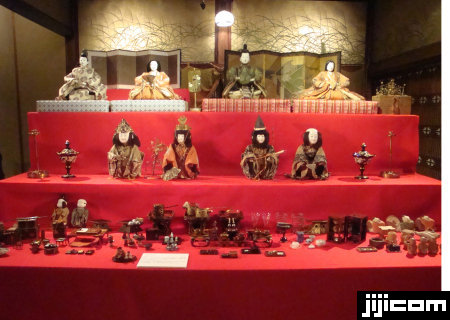
Pair of 'Yusokubina' Dolls in Accurately Re-created Official Court Clothes (Top Tier Left), 'Gosho' Palace Dolls (Middle Tier) from Katakura Family in Shiroishi, Miyagi Prefecture(Jiji Press)
The Katakura family, whose heads were the lords of Shiroishi Castle, put its dolls on public display for the first time in 22 years.
January 21, 2016
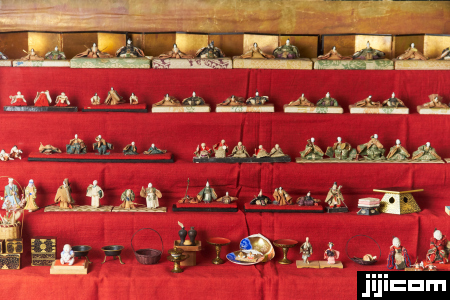
'Keshibina' Dolls, Only Several Centimeters Tall Each, from Katakura Family in Shiroishi, Miyagi Prefecture
January 21, 2016
'Tsutsumi' Dolls from Sendai, Miyagi Prefecture(Jiji Press)
Tsutsumi dolls, born in and around the Genroku period (1688-1704), are known as one of the best clay dolls in Japan.
January 21, 2016
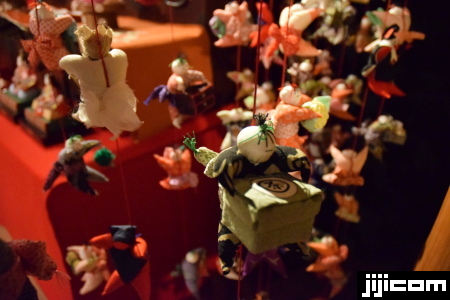
'Tsurushibina' Hanging Ornaments Made by Sendai Takasago Doll Ornaments Preservation Group in Sendai, Miyagi Prefecture; Doll Shown in Foreground Carries Box of Tea Leaves to Be Sold in Traditional 'Hatsu-uri' New Year Sales in Sendai
January 21, 2016
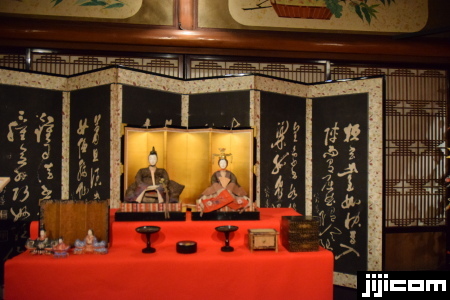
'Kokinbina' Dolls from Murata, Miyagi Prefecture(Jiji Press)
Made in the latter half of the Tokugawa period, Kokinbina dolls feature elegant round faces with slit eyes.
January 21, 2016
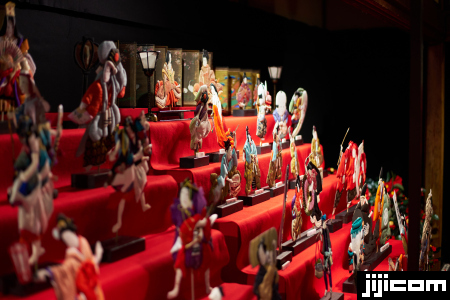
'Kukuribina' Dolls Made with 'Oshie' Paper Craft Technique by Mizusawa Kukuribina Preservation Group in Oshu, Iwate Prefecture
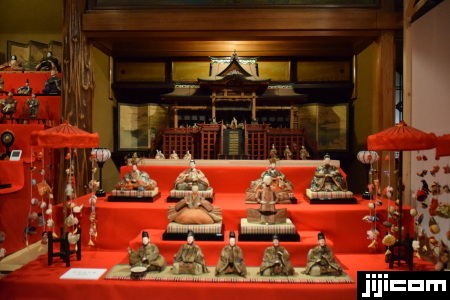
January 21, 2016
Antique Hina Dolls Owned by Nagaoka Family in Morioka, Iwate Prefecture
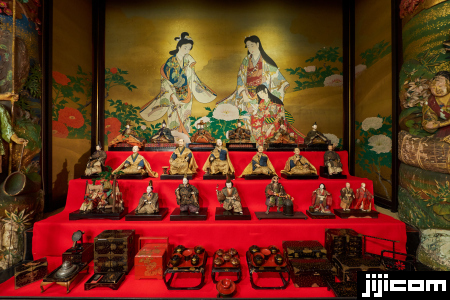
January 21, 2016
Antique Hina Dolls Owned by Tanno Family in Ohasama, Iwate Prefecture
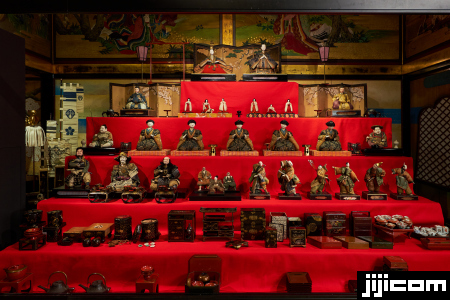
January 21, 2016
Antique Hina Dolls Owned by Umemura Family in Ohasama, Iwate Prefecture(Courtesy of Meguro Gajoen)
The Umemura family's hina dolls vary in size and design.
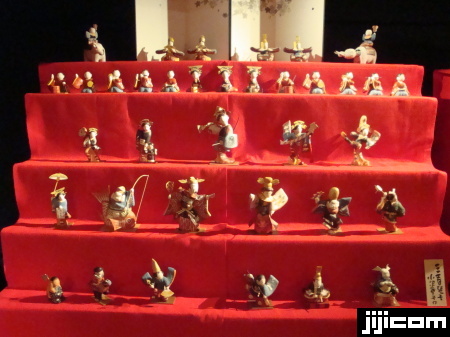
January 21, 2016
'Miharuhariko' Paper Dolls Made by Folk Art Shop Owner Sora Ozawa, Her Late Grandmother, Shigeko, in Miharu, Fukushima Prefecture
January 21, 2016
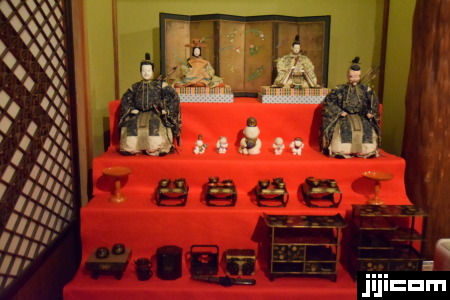
'Kokinbina' Dolls from Yoshio Yamaguchi, Who Runs Sake Brewery in Aizuwakamatsu, Fukushima Prefecture
January 21, 2016
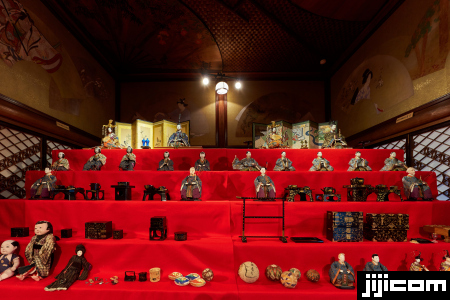
'Kokinbina' Dolls, Ornaments Owned by City Museum in Sukagawa, Fukushima Prefecture
January 21, 2016
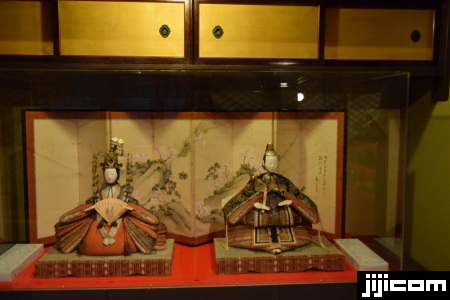
'Kyohobina' Dolls of Tayojo Ichihara, Renowned Female 'Haiku' Poet in Edo Era in Sukagawa, Fukushima Prefecture
