Growing food, saving water: DepEd brings El Niño preparedness to schools


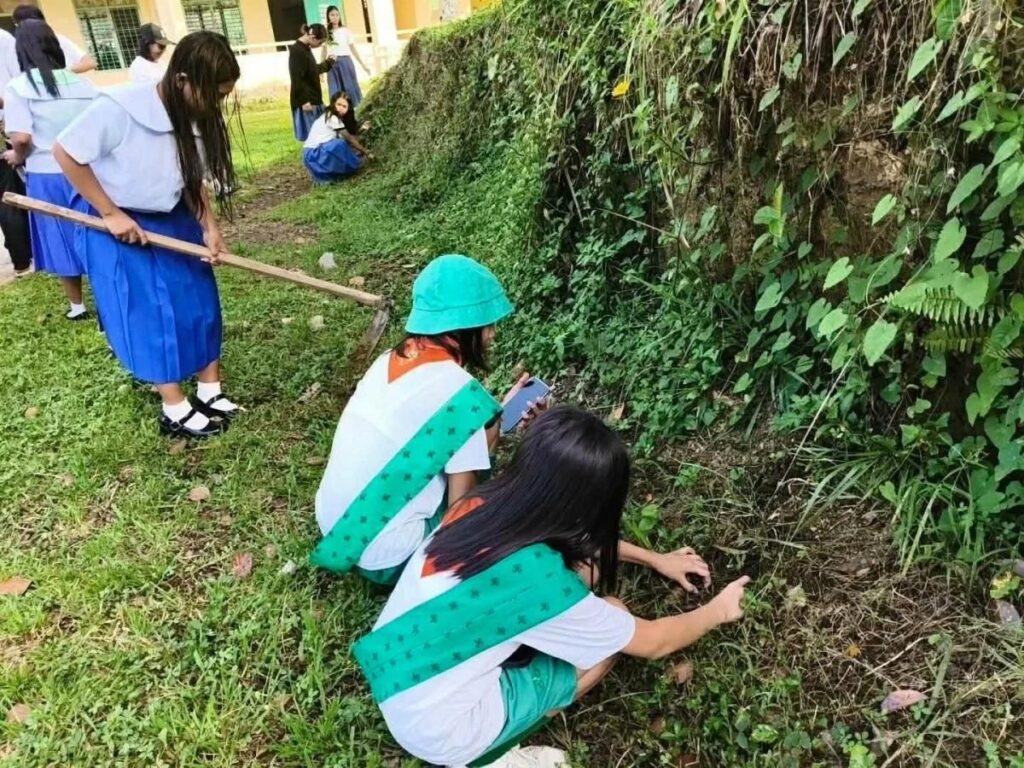
From conserving water to growing food, the Department of Education (DepEd) is bringing El Niño preparedness into everyday school activities through over 35,000 Youth for Environment in Schools Organizations (YES-O) and a strengthened Gulayan sa Paaralan Program (GPP) nationwide.
Such an approach strengthens schools’ response to the “super” El Niño threat through water conservation and drought preparedness, building on existing YES-O activities such as tree planting and cleanup drives.
DepEd Secretary Juan Edgardo Angara said the agency is empowering young people to lead environmental action, underscoring the need for sustained behavioral change among learners to help build a climate-resilient nation.
“Kapag ang kabataan mismo ang nagtatanim ng mga resilient na pananim sa Gulayan sa Paaralan at matipid sa paggamit ng tubig, hindi lang natin pinahihigpitan ang proteksyon ng ating mga paaralan, tinuturuan din natin silang maging masinop at handang mamamayan (When young people grow resilient crops in school gardens and conserve water, we are not only making our schools safer but also teaching them to be responsible citizens who use resources wisely and are prepared for challenges),” he said in a statement.
Earlier, the education department issued comprehensive guidelines on anticipatory action and protective measures under DepEd Memorandum No. 64, s. 2026 to keep school environments safe during the 2026–2027 “super” El Niño dry spell.
According to DepEd, the strengthened GPP will focus on growing short-cycle and drought-tolerant crops such as munggo, okra, malunggay, saluyot, alugbati, and kamote so that school gardens can remain functional and continue to support the School-Based Feeding Program (SBFP).
“To conserve water, learners will help set up rainwater harvesting systems, adopt simple drip irrigation techniques and mulching, and schedule garden watering to minimize evaporation,” the agency said.
The department said it is rolling out a synchronized nationwide tree planting program featuring drought-resistant native tree species and mangroves.
DepEd said the initiative draws on successful efforts like Project Tanom Paglaum of the Capiz Schools Division Office, where learners have planted more than 16,700 trees and mangroves.
Likewise, the agency said student leaders will hold peer briefings during flag ceremonies on waste segregation and disaster readiness.
The education department said it is working hand in hand with the Department of Environment and Natural Resources (DENR), local government units (LGUs), and non-governmental organizations to ensure schools remain safe and sustainable learning spaces.
Recently, the Marcos administration ordered government agencies to step up preparations for possible drought and water shortages due to a “super” El Niño.
The Philippine Atmospheric, Geophysical and Astronomical Services Administration (PAGASA) warned in September that the strong El Niño could intensify into a very strong event between September and December, with dry conditions potentially worsening in the coming months.