Halt commercial fishing in municipal waters to rebuild PH fish stocks—scientist


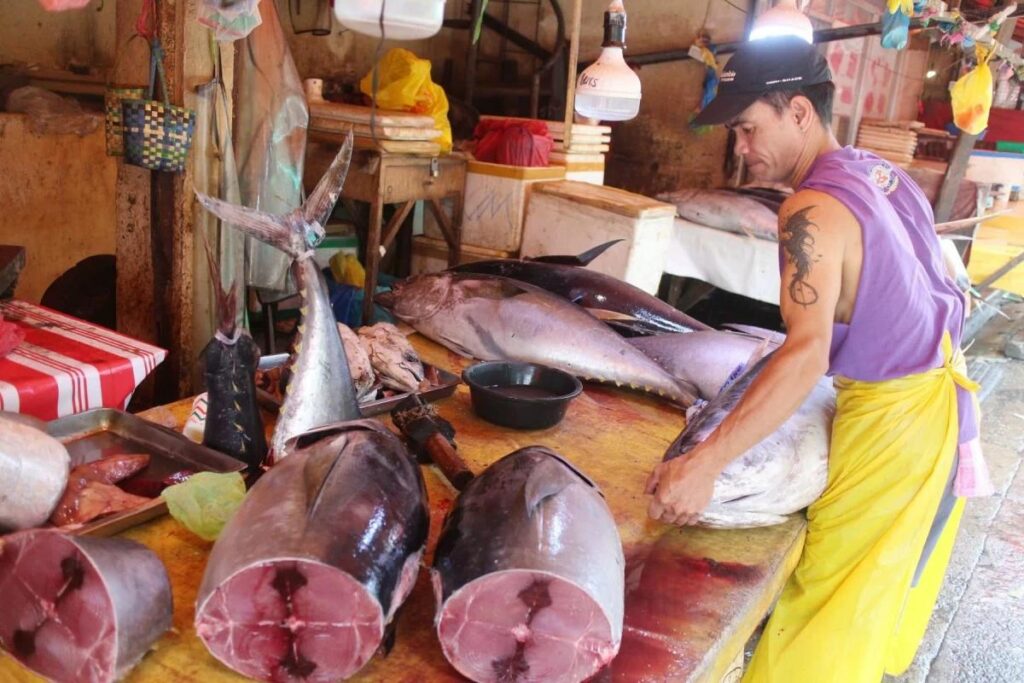
A fisheries scientist called for a halt to commercial fishing in Philippine municipal waters, saying that allowing depleted fish populations to rebuild could sustain larger catches over time and help those populations adapt to changes in their environment.
“The only measure which ensures the rebuilding of overexploited fish stocks is to fish less. This applies especially to coastal areas, which are increasingly invaded by huge industrial vessels (worldwide, including in the Philippines). There is no alternative to this,” Dr. Daniel Pauly said.
Pauly, an Oceana board member who spent 15 years in the Philippines studying fisheries, spoke at a public lecture titled “The Forgiving Waters,” organized by Oceana, Quantitative Aquatics, Inc., and the National Museum of the Philippines, on Tuesday, Nov. 24
With this, Oceana Vice President Von Hernandez urged President Marcos and Department of Agriculture (DA) Secretary Francisco Tiu Laurel Jr. to act on Pauly’s recommendation and stop what he described as illegal commercial fishing within the 15-kilometer municipal fishing zone.
“For over a decade, commercial fishing interests have held government policy hostage at the expense of our marine ecosystems and small-scale fishers,” she said in a statement.