Police units in Metro Manila were tasked to further intensify the security measures in the venues and other areas for the 49th ASEAN Summit and Related Summits on the days leading to the international event next week.
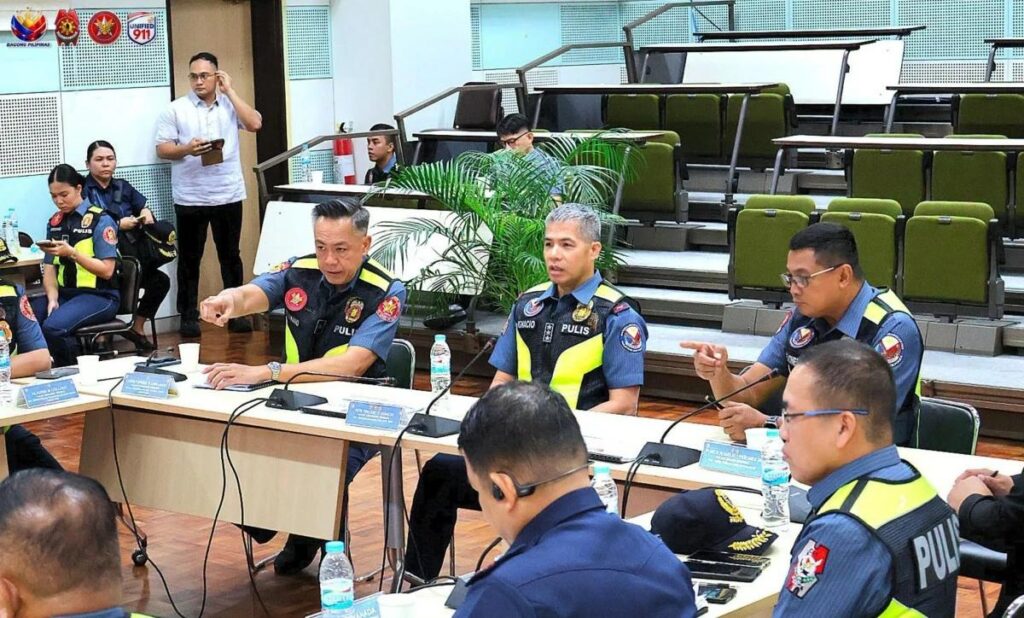
Brig. Gen. Christopher N. Abrahano, director of the National Capital Region Police Office (NCRPO), said that security checkpoints, exclusion zones, and identification procedures must be implemented consistently and professionally to prevent unauthorized entry, detect suspicious activities, and protect foreign delegates, summit participants, and the general public.
“Our security perimeter is there for a clear purpose: to prevent unauthorized access and keep potential threats away from our delegates, personnel, and the public. I expect our personnel to enforce every security protocol without exception, but always with professionalism, courtesy, and respect for people’s rights,” Abrahano said.
Malacanang declared Nov. 16 to 18 as special non-working days in Metro Manila for the49th ASEAN Summit and Related Summits amid strict security measures for world leaders who are expected to arrive in the country.
The declaration is intended not only to ensure the most limited inconvenience to the public but also to maximize the security measures for the participants.
So far, the Philippine National Police (PNP) said what they have been monitoring are low-level threats that are too insignificant to affect the event.
“The PNP is ready in so far as the security of the activity including the VIPs, attendees and including the area where the meetings would be held. We will be working with other government agencies on the matter,” Nartatez earlier said.
“We will be using our resources fully and we will be declaring the necessary alert status of the PNP,” he added.
The 49th ASEAN Summit and Related Summits will be held in Metro Manila with major summit activities scheduled at the Philippine International Convention Center (PICC) in Pasay City.
Abrahano said he already tasked his men to carefully verify identification documents, credentials, and vehicle authorizations, while maintaining close coordination with venue security teams and local government authorities to ensure that access restrictions are properly enforced.
He also directed security units to immediately validate reports of suspicious persons, unusual activities, or unattended items near summit venues and other designated security areas.
“Any potential threat must be promptly assessed and addressed in accordance with established security procedures,” said Abrahano.
He further instructed police commanders to ensure that public areas adjacent to restricted zones remain adequately monitored and protected, preventing security measures from creating unnecessary risks or confusion for residents, commuters, and business establishments.
“Security restrictions are not meant to inconvenience the public but are necessary safeguards for the orderly and safe conduct of the international gathering,” said ABrahano as he urged the public to cooperate.
“We cannot afford gaps in our security arrangements. Every checkpoint, every access point, and every report of suspicious activity must be properly attended to. Our responsibility is to secure the Summit while ensuring that the public can continue with their daily activities as safely and normally as possible,” said Abrahano.